
Products
Strip Production
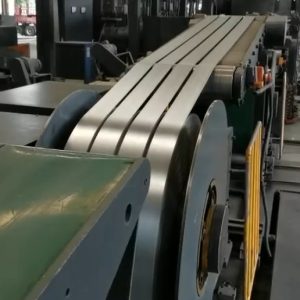
Wide strip production involves the continuous casting and rolling of lead to produce thin lead strips. These strips serve as the raw material for grid production,
where battery grids are formed. The process ensures that the strips have uniform thickness and mechanical properties, which are critical for battery performance.
Advanced rolling and tension control systems are used to prevent defects and ensure high-quality output. The produced lead strips are wound into coils and
stored for further processing in the grid production stage.
Oxide Production
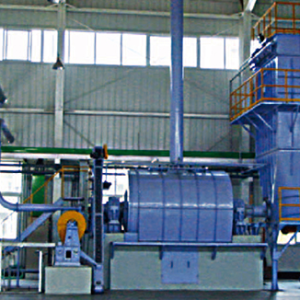
Oxide production is a crucial process in battery manufacturing, where lead is converted into lead oxide. This oxide is used as an active material in battery plates.
The produced lead oxide must have a precise particle size and
chemical composition to ensure optimal battery performance. Proper temperature and humidity control are necessary to maintain consistency in the oxide
properties. The final product is stored in silos before being transported to the paste production section.
Curing
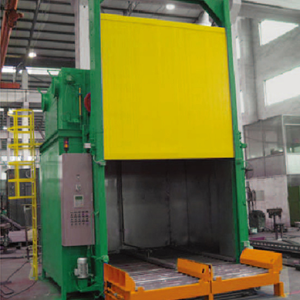
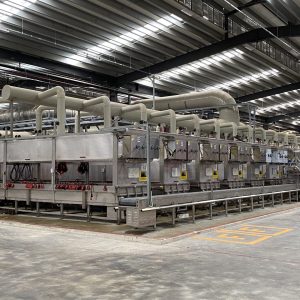
Curing is the process of hardening the pasted battery plates by controlled drying and oxidation. This step enhances the adhesion of the paste to the grids and
improves battery durability. The curing process takes place in specialized conditions with regulated temperature, humidity, and airflow. Proper curing conditions
prevent plate defects such as cracking or poor adhesion. The cured plates are then moved to the next stage of battery assembly.
Acid Dilution
Acid preparation involves the precise mixing and dilution of sulfuric acid to achieve the required electrolyte concentration for batteries. Automated dosing
systems ensure accuracy, minimizing risks associated with handling strong acids. Proper acid preparation is crucial for battery performance, as incorrect
concentration levels can affect capacity and lifespan. Safety measures, including ventilation and protective barriers, are essential to prevent exposure hazards. The
prepared acid is stored in special tanks before being used in the filling process
Acid Filling & Levelling
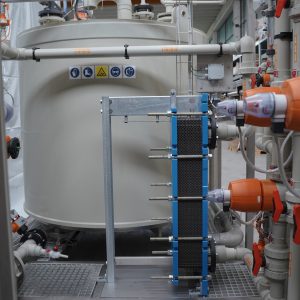
Acid preparation involves the precise mixing and dilution of sulfuric acid to achieve the required electrolyte concentration for batteries. Automated dosing
systems ensure accuracy, minimizing risks associated with handling strong acids. Proper acid preparation is crucial for battery performance, as incorrect
concentration levels can affect capacity and lifespan. Safety measures, including ventilation and protective barriers, are essential to prevent exposure hazards. The
prepared acid is stored in special tanks before being used in the filling process
Finishing Line
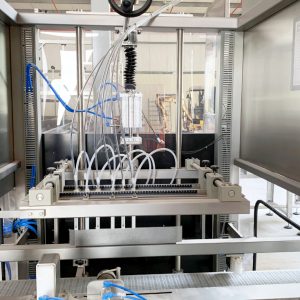
The finishing process includes the final quality control and cosmetic improvements of batteries before packaging. This step involves cleaning, terminal welding,
leak testing, and external inspections. Automated and manual processes ensure that each battery meets industry standards for safety and performance. Labeling
and branding are also applied in this stage. Once approved, the batteries are prepared for shipment or further testing
Grid Production
Punching is a process where lead strips are fed into a punching machine to create battery grids with precise patterns. This method ensures high mechanical
strength and consistent electrical performance. The punching process allows for the production of grids with specific designs tailored for different battery
applications. Advanced die-cutting tools are used to maintain accuracy and reduce material waste. The punched grids are then collected, inspected, and sent for
pasting.
Pasting Line
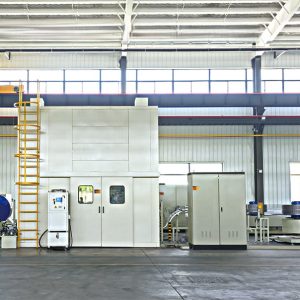
The grid pasting line is where the lead paste is uniformly applied to the battery grids. This process is crucial for ensuring that the grids have the correct amount of
active material. The pasted grids then pass through a drying and curing process to enhance their mechanical strength. Automated controls and monitoring
systems ensure precision and reduce material wastage. Proper pasting enhances battery efficiency, lifespan, and performance.
Assembly Line
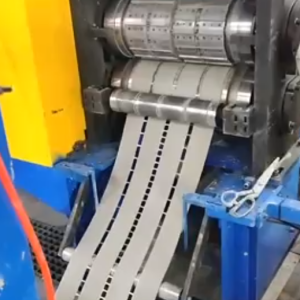
The battery assembly line integrates various components, including plates, separators, and casings, into complete battery units. Automated systems ensure
precise placement of components, reducing errors and increasing production efficiency. The assembly process includes welding, sealing, and quality testing. High
speed automated assembly lines improve productivity while maintaining strict quality control standards. Proper assembly techniques ensure batteries meet
performance and safety regulations.
Demi Water
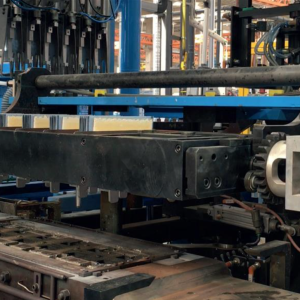
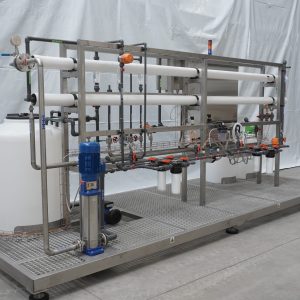
Demi water (deionized water) is used in various stages of battery manufacturing, including acid dilution and electrolyte preparation. The system removes minerals
and impurities from water to ensure chemical stability. High-purity water is essential to prevent unwanted reactions in battery chemistry. The deionization
process involves multiple filtration and ion-exchange steps. Proper maintenance of the system ensures a consistent supply of high-quality water for production.
Waterbath Formation Plant
The waterbath formation system is used in the final stage of battery manufacturing, where batteries undergo initial charging. Batteries are submerged in
temperature-controlled water baths while an electrical current is applied. This process activates the battery plates, forming the necessary chemical structure for
energy storage. The water helps regulate heat generated during charging, preventing overheating. Proper formation improves battery efficiency and extends its
service life.
Auxilary Equipment (Rectifiers)
The rectifier system is used to convert alternating current (AC) into direct current (DC) for battery charging and formation processes. A single system typically
includes multiple rectifiers to provide the necessary power for large-scale battery manufacturing. These rectifiers supply controlled voltage and current, ensuring
uniform charging of batteries. Advanced rectifiers have programmable settings to match different battery types and formation requirements. Proper rectification
is crucial for battery performance, as inconsistent current flow can lead to defects or reduced lifespan